
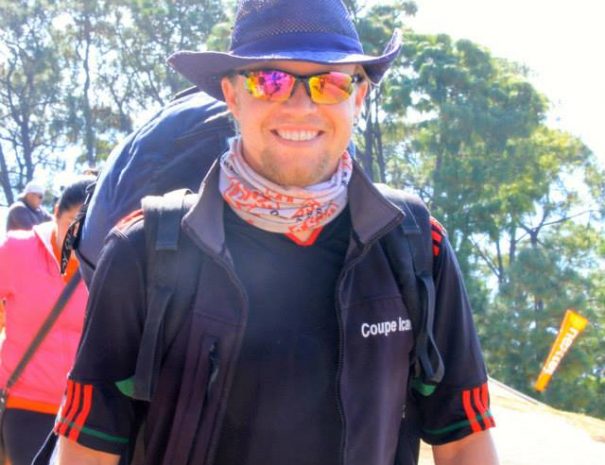
You do not need to overthink this. Bring your flying gear, a few layers, and your passport. We handle the rest. But since every pilot asks, here is the complete list so you can pack with confidence and not forget anything important.
Flying Gear (bring this)
- Certified paraglider appropriate for your skill level. An EN-B or EN-C you are comfortable and current on. Valle thermals are moderate but active - fly a wing you trust, not one you are still learning.
- Certified harness with reserve parachute. Make sure your reserve has been repacked within the last 12 months. We check this on day one.
- Helmet. Full-face recommended. The rocky terrain at El Penon makes a full-face helmet worthwhile, and it also protects your face from the intense sun during long flights.
- Dual-band VHF radio. Frequency 144.445 is what we use. If you do not have a radio, we keep spares - but bringing your own means one less thing to coordinate.
- Vario / flight instrument. Bring one. Valle thermals are strong enough to feel, but a vario helps you optimize climb rate and makes the learning process significantly faster. If you have a GPS flight computer, bring that too.
- Flight gloves. Mornings at 7,600 feet can be cold, especially November through January. Thin gloves keep your hands functional during setup and early flights.
- Sunglasses. Polarized recommended. The sun at altitude is intense and you will be looking up at your wing and across bright terrain for hours.
- Sturdy shoes or boots. The launch at El Penon is rocky volcanic terrain. Sandals and running shoes do not cut it. Hiking boots or trail shoes with ankle support are ideal.
- Hydration. A water bottle or hydration bladder for your harness. Multi-hour flights in warm conditions at altitude will dehydrate you faster than you expect. Drink before you launch and carry water with you.
- Small backpack. For carrying your harness and gear from the vehicle to launch if needed. Something you can clip to your harness bag works fine.
- USB battery pack. For charging your vario, phone, and radio between flights. Power is not always available at launch.
Clothing and Personal
- Layers. Valle de Bravo has a significant temperature range during the day. Mornings at launch can be 45-55F. Afternoons in town can be 75-80F. Dress in layers you can add and remove easily.
- Light jacket or fleece. Essential for early mornings and evening dining outdoors. A packable down jacket or mid-weight fleece is ideal.
- Sunscreen. SPF 50+ recommended. You are at 7,600 feet in the tropics - the UV is no joke. Apply before launching and carry a small tube in your harness for reapplication.
- Hat or buff. For non-flying time. Sun protection for walking around town, sitting at the LZ, or hiking.
- Comfortable walking shoes. Valle de Bravo has cobblestone streets and you will walk around town in the evenings. Something comfortable that is not your flying boots.
- Swimsuit. Lake Avandaro is right there. Rest days often involve the lake.
- Light rain jacket. Just in case, especially if you are visiting in late February or March when the transition season can bring occasional afternoon clouds.
- Casual clothes for evenings. Valle has good restaurants. You do not need to dress up, but having something other than your flying kit for dinner is nice.
Travel Essentials
- Valid passport. Check the expiration date before you book your flight. Mexico requires a valid passport for entry.
- Travel insurance. We recommend it, especially for medical coverage. Mexican hospitals require upfront payment - your US insurance will reimburse you, but you need a way to pay first. Medical evacuation coverage is worth the cost.
- Credit card with decent limit. For the medical situation described above. Also useful for incidentals in town. Most places in Valle accept cards, but some smaller restaurants and the market are cash-only.
- Pesos or USD. ATMs are available in Valle de Bravo. USD is accepted at some places but pesos are better. Withdraw what you need from an ATM when you arrive.
- Phone with international plan or local SIM. You will want data for communication, maps, and weather apps. Most US carriers offer affordable Mexico roaming plans.
- Power adapter. Mexico uses the same plugs as the US (Type A/B). No adapter needed.
- Copies of important documents. Passport, insurance card, emergency contact info. Keep digital copies on your phone and a paper copy in your luggage.
What You Do NOT Need to Bring
If you are flying with Air Damien, we handle these:
- Spare radios and varios. We keep spares of both. If you forget yours or something breaks, we have you covered.
- USB chargers and cables. We stock common cables and chargers at the house.
- Extra sunscreen. We keep sunscreen stocked. Bring your own for the first day but you will not run out.
- Maps of the area. Damien knows every thermal trigger, ridge, convergence zone, and LZ. You do not need to study maps - just listen to the radio.
- A rental car. We handle all transport - airport pickup, daily shuttle to launch, retrieve service, and return to the airport. You never need to drive.
- Fancy clothing. Valle de Bravo is casual. Nobody is dressing up. Clean shorts and a t-shirt are fine for every restaurant in town.
Packing Tips
Most pilots travel with their wing and harness as checked luggage (wing bag + harness bag) and a carry-on with personal items. Airlines flying to Mexico generally handle paragliding gear as standard checked baggage - it is not classified as sporting equipment at most carriers. Check your specific airline's policy, but we rarely have issues.
Pack your reserve parachute in your checked bag, not carry-on. TSA sometimes flags reserve handles. Your vario, radio, and battery pack can go in carry-on.
Ready to Go?
Got your gear? All you need now is the trip. Check out the 10 Day Package or our clinic schedule.
For details on conditions by month, read our best months guide. For a complete site overview, see the Valle de Bravo guide.