
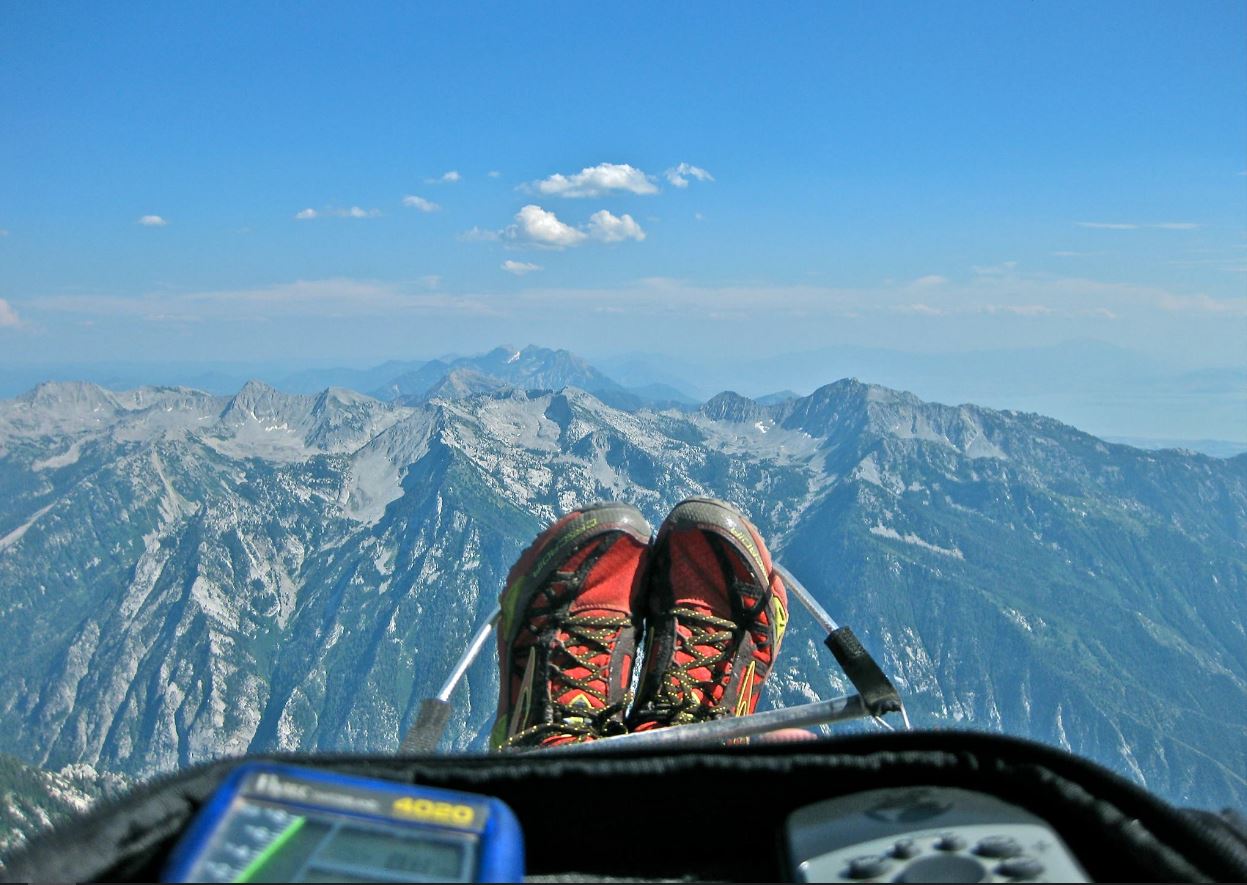
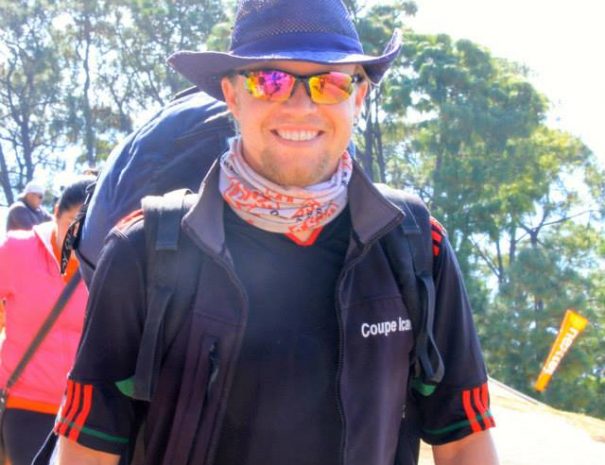
After 25 years of flying on five continents, the most important thing I have learned is this: the pilots who fly only their home site develop comfort, not skill. It is the pilots who fly new sites, in new conditions, in new countries, who become truly well-rounded. If you have never flown internationally, you are missing the single most effective way to level up your flying.
The Home-Site Comfort Trap
When you fly the same site every weekend, you learn that site. You learn its quirks, its wind patterns, its launch procedure, its LZ approaches. After a while, you can fly it on autopilot. You know where the thermals trigger, you know what the wind does at 2pm, and you know exactly where to set up your approach.
That is not flying skill. That is site-specific memory. And it becomes a trap because it feels like competence. You fly confidently at your home site and assume you would fly confidently anywhere. But take that same pilot to a new site - new terrain, new thermal patterns, new launch procedure, different altitude, different air - and suddenly the confidence evaporates. They realize their "skill" was actually familiarity.
What Changes When You Fly Somewhere New
Flying a new site forces you to use fundamental skills instead of relying on site knowledge. You have to actually read the sky for thermals instead of knowing where they always trigger. You have to assess conditions based on what you see and feel, not what you remember from last Saturday. You have to plan your approach to an unfamiliar LZ based on wind and terrain, not muscle memory.
This is uncomfortable. It is also incredibly valuable. Every flight at a new site builds real, transferable skill that works at any site in the world. One trip to an international flying destination teaches you more about reading air than a year of repetition at home.
The Confidence Shift
Something happens when you come home from an international flying trip. Your home site feels easy. Not because the conditions changed, but because you changed. You thermalled in Valle de Bravo's volcanic thermals. You managed Roldanillo's strong Cauca Valley lift. You navigated alpine wind systems in the Dolomites. After that, your home hill feels like a gentle warm-up.
This confidence is earned. It comes from proving to yourself that you can adapt, learn, and fly well in unfamiliar conditions. That is a fundamentally different kind of confidence than the one that comes from doing the same thing every weekend.
Why Guided Trips Beat Solo Travel
You can fly internationally on your own. Show up at a site, figure out the launch, ask locals for tips, and go for it. Some pilots do this successfully. But a guided trip with an instructor who knows the site removes the guesswork and compresses the learning.
When Damien takes pilots to El Penon, he does not just show them where to launch. He explains why the thermals behave the way they do, coaches them through each flight on the radio, and debriefs every session. A pilot on a guided trip learns more in one day than a solo pilot learns in three because the instruction is tailored to the specific conditions in real time.
There is also the safety factor. Flying in a foreign country where you do not know the terrain, the weather patterns, or the local rules carries risk. Having a guide who has flown the site for decades, who knows the hazards, and who can make go/no-go decisions based on deep local knowledge is a significant safety advantage.
When Are You Ready?
If you have your P2 rating and can launch, fly, and land independently, you are ready for a guided international trip. Valle de Bravo is specifically designed for P2+ pilots with guided instruction. You do not need to be an expert. You need to be safe, current, and willing to learn.
The longer you wait, the deeper your home-site comfort trap gets. The best time to fly internationally is now - while you are actively flying and your skills are sharp.
How to Pick Your First International Destination
For US-based pilots, the criteria are simple:
- Proximity: Short travel time means more flying days per trip. Valle de Bravo is two hours from Mexico City - closer than most European or Asian options by a full day of travel.
- Consistent conditions: You want a site that flies reliably, not one where you gamble on weather. El Penon's 300+ flyable days per year means you fly almost every day you are there.
- Instruction available: A guide who knows the site and can coach you in real time. Not just "here is the launch, have fun."
- Logistics handled: Airport pickup, housing, meals, transport to launch. You should be focused on flying, not on figuring out how to get to the mountain.
Valle de Bravo checks every box. It is the ideal first international flying destination for US pilots. Two hours from Mexico City, consistent conditions, all-inclusive guided trips, and a USHPA Advanced Instructor on the radio every flight.
See what we offer, or read the complete guide to international paragliding destinations if you want to compare all your options.